A Comparative Study of Chinese and American Art Collectors
- The Beverly Arts

- 6 hours ago
- 6 min read
Author: Hanjie Pan

"The Dream" by Pablo Picasso
In the post-World War II era, Western culture and art underwent radical transformations, with New York replacing Paris as the global center of art. American collecting of European modern art grew steadily from the 1920s onwards, giving rise to a host of passionate collectors—such as Getty, Huntington, Simon, and Rockefeller—all of whom were successful entrepreneurs, investors, and philanthropists.
The American art market is characterized by a level of prosperity, activity, and even fervor that defies imagination. Building such a massive market requires both "hardware" (infrastructure) and "software" (cultural and conceptual elements); these components are interdependent and mutually reinforcing.
The "hardware" consists of market infrastructure at various levels and economic strength, while the "software" encompasses matters of mindset and culture.
The American art market is characterized by a level of prosperity, activity, and even fervor that defies imagination. Building such a massive market requires both "hardware" (infrastructure) and "software" (cultural and conceptual elements); these components are interdependent and mutually reinforcing.
The "hardware" consists of market infrastructure at various levels and economic strength, while the "software" encompasses matters of mindset and culture.
Centuries of a capitalist economic system in the United States have produced countless massive conglomerates and tycoons, as well as a substantial middle class. Together, these groups—ranging from the wealthy elite at the apex of the pyramid to the classes beneath them—form the foundation of the American art market. The country's 160,000 galleries (large and small) and tens of thousands of annual art transactions provide the necessary physical infrastructure for the market's operation. On the "software" side, the public's understanding and reverence for art—along with a certain level of artistic knowledge and cultural sophistication—ensure the market's healthy development.

In the United States, art collecting is a cultural tradition; whether they are wealthy tycoons or ordinary citizens, people are passionate about collecting art—a pursuit that has become almost a nationwide pastime. From a young age, Americans generally receive a solid art education and cultural exposure; they take care to curate their home environments, visit art markets, engage in conversations with artists, and purchase artworks to decorate their homes or build collections.
In primary and secondary schools, teachers assign art-related projects that encourage students to research and explore art in their spare time. Educators also share information about domestic and international art events, exhibitions, and artists, thereby broadening children's horizons, stimulating their imaginations, and honing their artistic creativity. Beyond the school environment, the role of public institutions in making art education accessible to children cannot be overlooked. Museums in the United States have long placed great emphasis on public art education; as early as 1906, upon its founding, the American Association of Museums declared that "museums should be the people's university."
For instance, the Metropolitan Museum of Art offers specialized programs and summer training sessions for K-12 educators. These initiatives allow teachers to explore the museum's collections and enhance their professional expertise, enabling them to integrate art across disciplines and modernize their teaching methods. The museum also hosts a variety of art-making workshops and youth programs tailored to different age groups and aligned with local art education standards.

Guggenheim Museum
Another notable example is the Getty Center, established by the world's wealthiest man at the time, Paul Getty. Visitors find multilingual guide brochures at the information desk and can borrow multimedia audio guides for free by presenting an ID. Crucially, admission to the center is free.
The East Building features a studio where staff provide paper and oil pastels to children—and adults, too—teaching them how to copy masterpieces and showcase their own artistic talents.
This exemplifies early childhood art education in the U.S.: museums serve as art classrooms. The vast majority of museums offer diverse art education programs to the public, often free of charge. Many feature dedicated children's art studios staffed by professional art teachers and assisted by art-loving volunteers, creating an excellent environment for children to learn about art.
This accessible approach to art education raises the nation's cultural literacy and has cultivated a stable, active, and vast community of art collectors in the United States.

In fact, China has long emphasized aesthetic education; Cai Yuanpei’s concept of "replacing religion with aesthetic education" aimed to cultivate human emotions and transform the national spirit. Yet, our art education still lags behind. This is due to issues regarding educational philosophies and mechanisms, as well as the uneven distribution of high-quality public facilities.
It is heartening, however, to see a growing public awareness in recent years regarding the social functions and aesthetic educational value of museums. On weekends and holidays, we are delighted to see many parents taking their children to visit museum exhibitions, while schools frequently organize trips for students to participate in various aesthetic education activities hosted by museums. This serves as a significant indicator of urban development, social progress, the rising spiritual and cultural needs of the public, and an overall increase in the level of civilization.
Art Agents
The term "agent" (or *jingjiren*) was reportedly introduced to the Chinese mainland from Taiwan. Regarding the concept itself, while the English translation might suggest a "dealer" (a merchant) in Western contexts, in China, the term typically refers to an "agent" or intermediary.
"The role of the agent has always existed within the art market." Wherever there is buying and selling, there are agents; in the art market, their fundamental function is to vet the pieces collectors intend to purchase and earn a commission for doing so.
Historically, the concept of the art agent emerged in the European art market over a century ago and has since matured significantly. By the 1970s, agents began to appear in the Hong Kong art market, operating by obtaining auction catalogs and recommending specific lots to collectors.
"Generally speaking, collectors lead busy lives and often lack the time to attend auctions in person. Consequently, they entrust agents to inspect the items on-site—evaluating authenticity and condition. Condition is particularly critical; identifying areas of repair or damage requires an agent with extensive practical experience."
Paul Getty
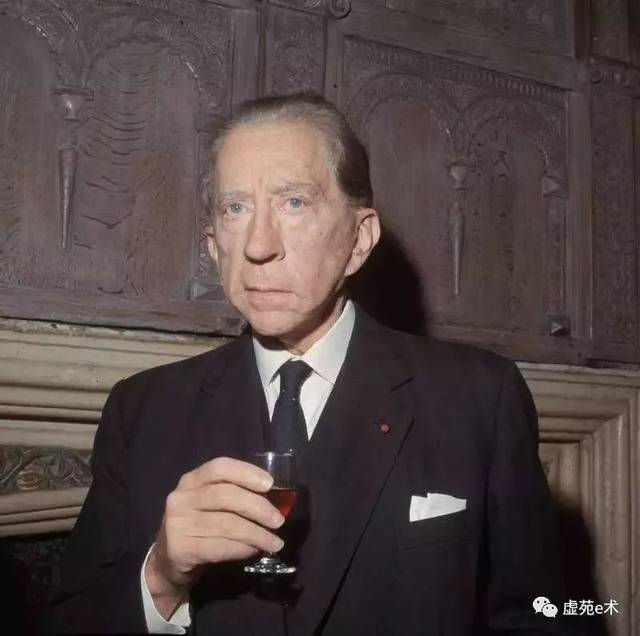
Before collecting art, Paul Getty would read numerous books on art history and visit a multitude of museums and galleries. Even then, feeling that wasn't enough, he would specifically seek advice from experts.
The United States has a commendable tradition in this regard: many major American collectors work with renowned agents, paying substantial fees for their counsel on key decisions and deeply respecting their professional advice—an approach that differs from that of many Chinese collectors.
Chinese corporate collectors, by contrast, are often headstrong; they pride themselves on their own discerning eye, believing that if a piece appeals to them or holds financial value, that is sufficient. Most such collectors dislike using agents, preferring to rely on their own judgment; even if they make a mistake—such as buying a fake—they view it as a valuable learning experience. Furthermore, while some Chinese collectors do wish to use agents, most are unwilling to pay for the service.

In the history of collecting, the story of the Ganz family stands out as a quintessential American success story, particularly given that they were not an exceptionally wealthy couple. When the Ganzes married in 1941, they used their entire savings of $7,000 to purchase Picasso’s *Le Rêve* (The Dream). They continued to collect Picasso’s works annually until the mid-1960s, when they met the Hungarian-Jewish art dealer Leo Castelli.
It was this brilliant dealer who steered the Ganzes in a new collecting direction; starting in the mid-1960s, they began acquiring works by contemporary artists such as Jasper Johns, Robert Rauschenberg, and Roy Lichtenstein. Over the course of more than fifty years—lasting until their deaths in the 1990s—they spent a total of $2.5 million on art, with the majority of the funds going toward Pop Art. Yet, their collection ultimately set an auction record of $206 million. This American success story was not created by the Ganzes alone, but rather by the Ganzes in partnership with Castelli. The artists Castelli championed went on to become pivotal figures in the history of American modern art, thanks to his unique ability to discern the artists' individual personalities.
Beyond the Ganzes' own artistic sensibilities, it would have been difficult to successfully identify and acquire such treasures at a "low cost" without the guidance of a professional dealer.
Successful American collectors rely on professionals to oversee their acquisitions, whereas we often make these decisions ourselves and are reluctant to pay for professional services; this reflects a cultural difference between China and the United States.

We place far less value on intangible assets than we do on tangible ones.
With the reform and development of China’s market economy, the ranks of the wealthy have grown, major business conglomerates have emerged, and the middle class has steadily expanded (reports indicate the Chinese middle class will reach 700 million people by 2020). As people gain purchasing power, they are increasingly turning their attention to art collecting. The activities of several Chinese collectors on the global stage in recent years demonstrate the significant potential of China’s art market.
However, there remains a gap between China and the United States regarding art education and the systemic mechanisms of art collecting.


The Beverly Arts News is sponsored by Art Hearts Fashion, Mogo, MDSUN, Shennel Trading, XAVVI, ISEGSTAR, World Peace One, Crab Grabber, InLight Foundation, Jiannan Huang Art Institute, Yi Ke Art in Beverly, Wenkang Xue Design Studio, and The Beverly Arts Foundation